Ireland's Transition to Smartphone-Based Wagering Activities
Erik Lange · Sep 24, 2026

Ireland's Transition to Smartphone-Based Wagering Activities
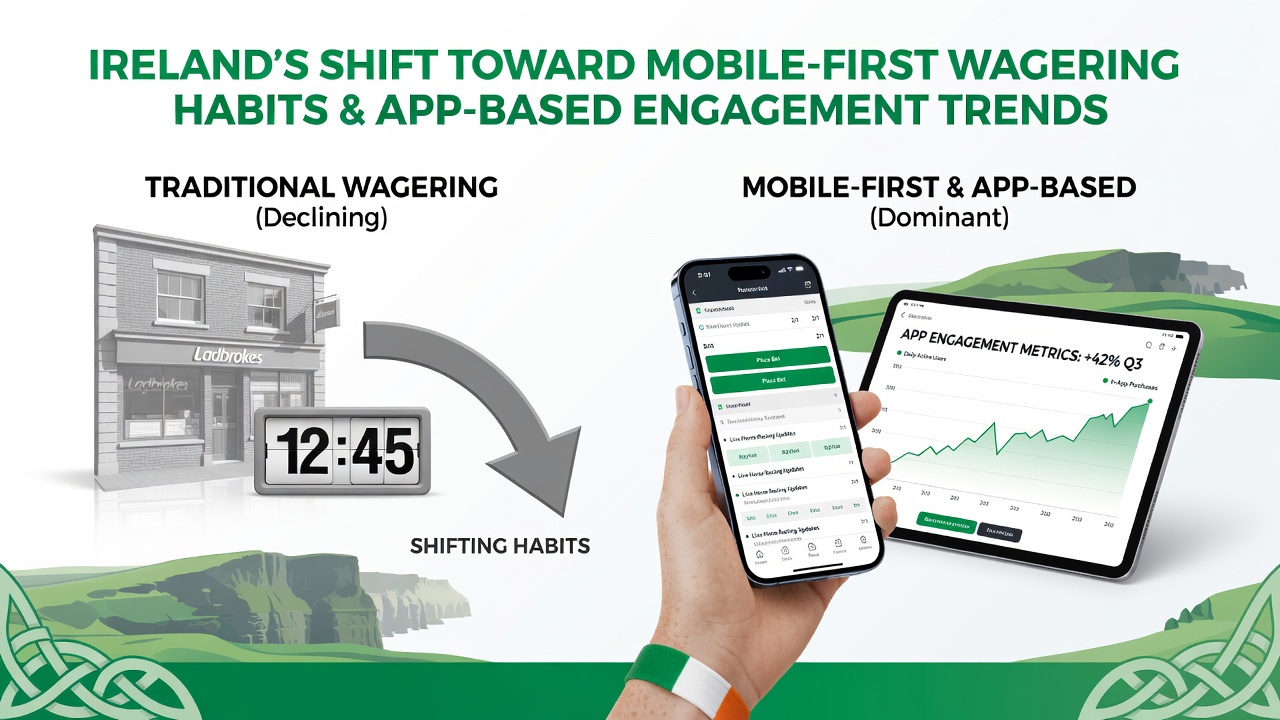
Data from regulatory filings and market analyses show that Irish users have steadily increased their reliance on mobile devices for wagering activities since the early 2020s, with app downloads rising in tandem with improved network infrastructure across urban and rural areas alike. Observers note that this pattern aligns with broader European trends where smartphone penetration reached over 85 percent of households by 2025, enabling seamless access to real-time betting features without the need for desktop setups. Figures from industry reports reveal that app-based sessions now account for the majority of user interactions in several segments, particularly during evening hours when commuters and remote workers turn to quick updates on odds and live events.
Key Drivers Behind the Mobile Shift
Network upgrades and device affordability played central roles in this evolution, since faster 5G rollouts in 2024 and 2025 reduced latency issues that previously deterred users from placing bets on the go. Researchers at academic institutions across the EU have documented how these technical improvements coincided with regulatory updates that clarified licensing for digital operators, thereby encouraging developers to optimize interfaces for smaller screens. What's interesting is that surveys conducted by independent polling groups indicate younger demographics, those aged 25 to 34, lead adoption rates, while older cohorts follow at a slower but consistent pace as familiarity with touch-based navigation grows. And data compiled through September 2026 continues to track this gradual convergence, with overall mobile engagement metrics showing no signs of plateauing in the near term.
App Features Shaping Daily Engagement
Modern wagering apps incorporate push notifications, biometric logins, and integrated payment wallets that streamline the entire process from deposit to withdrawal, and these elements have proven particularly effective at retaining attention during fragmented daily routines. Studies from research bodies in Canada highlight similar patterns where one-tap access to live markets boosts repeat visits by measurable margins, while comparable findings from Australian academic papers underscore the value of personalized dashboards that surface relevant events based on past activity. Those who've examined user logs observe that sessions initiated via apps tend to last longer on average than browser-based alternatives, largely because integrated chat functions and video streams keep participants connected without switching applications. But here's the thing: security protocols embedded in these platforms, including two-factor authentication and transaction encryption, address lingering concerns that might otherwise slow adoption in a market sensitive to data protection standards.
Demographic Patterns and Usage Statistics
Breakdowns by region show that Dublin and surrounding counties report the highest concentration of app-centric activity, although growth in secondary cities such as Cork and Galway has accelerated noticeably since mid-2025. According to comparative data released by the Victorian Responsible Gambling Foundation, markets with strong mobile infrastructure exhibit parallel spikes in session frequency, suggesting that Ireland's trajectory fits within a wider international movement toward portable platforms. Victorian Responsible Gambling Foundation reports further indicate that female users have increased their share of mobile wagering by double-digit percentages in recent tracking periods, narrowing historical gaps observed in traditional betting channels. Meanwhile, researchers from North American institutions point out that time-of-day analytics reveal peaks aligned with major sporting calendars, where app notifications prompt immediate responses that desktop interfaces rarely match in speed.
Regulatory Context and Market Response
Updated licensing frameworks introduced in recent years require operators to maintain transparent records on user behavior across devices, and this mandate has prompted many providers to invest heavily in analytics tools that differentiate mobile patterns from other access methods. Evidence gathered through September 2026 demonstrates that compliance with these standards correlates with higher retention figures, since users gain confidence from clear terms displayed prominently within app environments. National Council on Problem Gambling analyses from the United States offer additional context by comparing how similar disclosure rules influenced engagement metrics in other jurisdictions, revealing that informed users often sustain longer but more controlled activity levels. Observers note that Irish operators have responded by refining app updates to include responsible play prompts at regular intervals, thereby aligning product design with evolving oversight expectations.
Conclusion
Collectively, the documented rise in mobile-first habits reflects a convergence of technological capability, demographic preferences, and regulatory clarity that continues to redefine how wagering occurs in Ireland. Metrics tracked through late 2026 confirm sustained momentum, with app ecosystems capturing increasing portions of overall activity while maintaining compatibility with established oversight mechanisms. Those monitoring these developments anticipate further refinements in feature sets as operators adapt to feedback loops generated by user data, ensuring that engagement remains both accessible and accountable across the evolving digital landscape.