Rank Group Operators Finalize Major Settlement with UK Gambling Commission
Erik Lange · Oct 8, 2026

Rank Group Operators Finalize Major Settlement with UK Gambling Commission
Three Rank Group subsidiaries reached an agreement to pay £5,012,261 to the UK Gambling Commission after regulators identified shortfalls in anti-money laundering controls and social responsibility measures at their land-based sites. Grosvenor Casinos Limited, Grosvenor Casinos (GC) Limited, and Gaming Group Limited accepted the terms following a formal licensing review conducted under Section 116 of the Gambling Act 2005, and the payment was finalized in early October 2026. The settlement amount reflects the scale of the compliance gaps uncovered during the investigation into physical venues operated across the United Kingdom. Commission findings centered on failures to implement adequate customer due diligence processes and shortcomings in identifying and responding to patterns that could indicate money laundering risks, while parallel issues emerged around the monitoring of gambling behaviors that might signal harm. Operators must now commission an independent third-party audit within six months to evaluate and strengthen existing policies on both AML and safer gambling. The audit will examine procedures, training records, and control mechanisms at each venue, with results submitted directly to the Commission for ongoing oversight. Funds from the settlement transfer to the government's Consolidated Fund rather than remaining within the regulatory body, a standard route for such payments under current legislation.Details of the Licensing Review Process
The review examined operational practices at multiple Grosvenor locations and identified specific instances where staff had not applied required checks on high-value transactions or failed to escalate concerns about prolonged play sessions. Data collected during the investigation showed inconsistencies in record-keeping and in the application of risk assessments that should have triggered enhanced monitoring, and the Commission documented these lapses across the three licensed entities.
Although the focus of recent regulatory attention has often centered on online platforms, this case underscores that land-based operators remain subject to the same statutory obligations. The settlement does not include license suspension or revocation, yet it requires demonstrable improvements verified through the forthcoming external audit, which will serve as a benchmark for future compliance evaluations.
Allocation of Settlement Funds and Regulatory Context
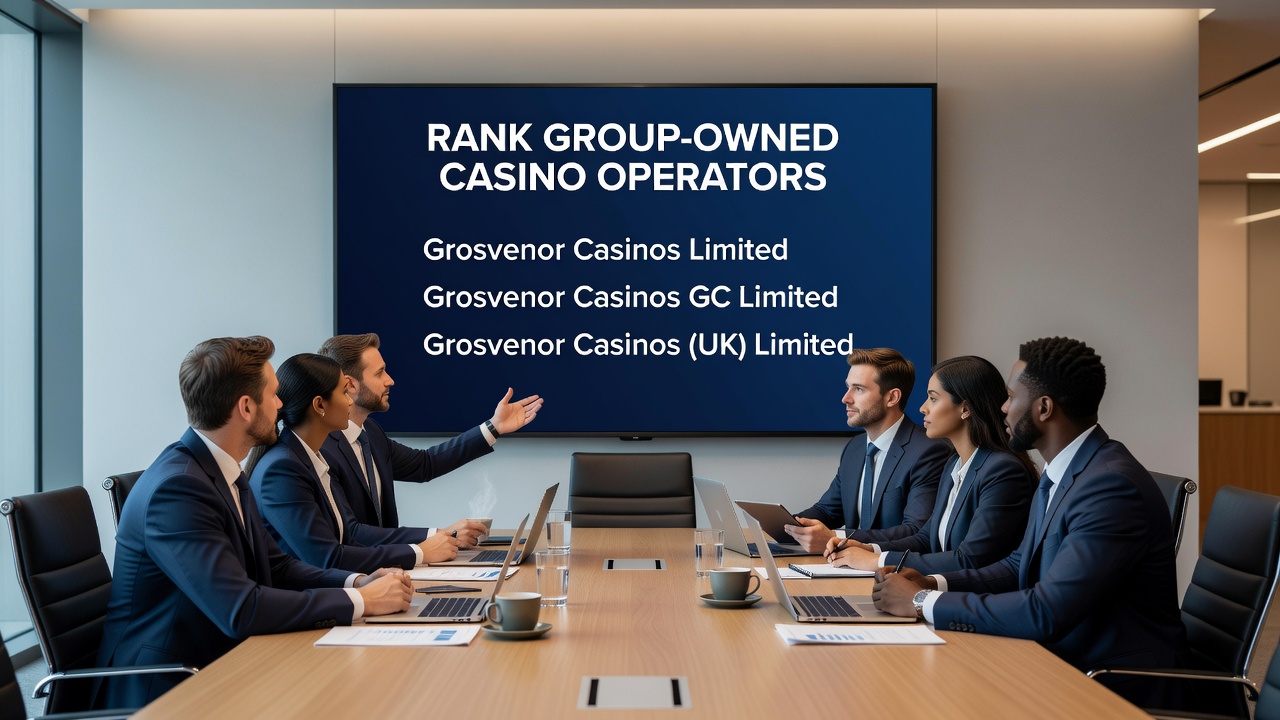
Payment of the £5,012,261 sum concludes the financial element of the matter, with all proceeds directed to the Consolidated Fund as required. This mechanism ensures resources support broader public expenditure rather than specific gambling initiatives, and it aligns with previous cases where operators have settled similar reviews without admission of liability beyond acceptance of the regulatory findings.
Observers note that the case arrives at a time when the Commission continues to refine its approach to both online and retail sectors, with land-based venues facing renewed scrutiny over customer interaction protocols. The three operators involved maintain active licenses and have committed to implementing the audit recommendations within the stipulated timeframe, thereby avoiding further enforcement action at this stage.
According to the public statement dated October 7, 2026, the Commission will monitor progress through regular reporting and may conduct follow-up inspections once the audit is complete. Such measures aim to verify that revised policies address the identified weaknesses in transaction monitoring and customer interaction records.
Implications for Land-Based Gambling Operations
Operators across the sector now face clearer expectations around documentation standards and escalation procedures, particularly for venues that handle significant cash volumes. The settlement highlights how gaps in staff training or system integration can lead to substantial financial consequences, even when no criminal activity is alleged.
Those who have reviewed similar cases point out that third-party audits often reveal opportunities to streamline existing controls rather than requiring entirely new systems, and the Rank Group entities will likely draw on prior compliance frameworks while incorporating external recommendations. The six-month deadline creates a structured window for implementation, during which venues must demonstrate measurable enhancements in both AML screening and harm prevention protocols.
Conclusion
The October 2026 settlement between the three Rank Group operators and the UK Gambling Commission brings a defined resolution to the identified compliance issues at Grosvenor venues. With the required external audit now on the horizon and funds transferred to the Consolidated Fund, attention shifts to the practical steps operators will take to meet strengthened standards. The case supplies a concrete reference point for how regulatory reviews translate into enforceable outcomes within the land-based gambling environment.